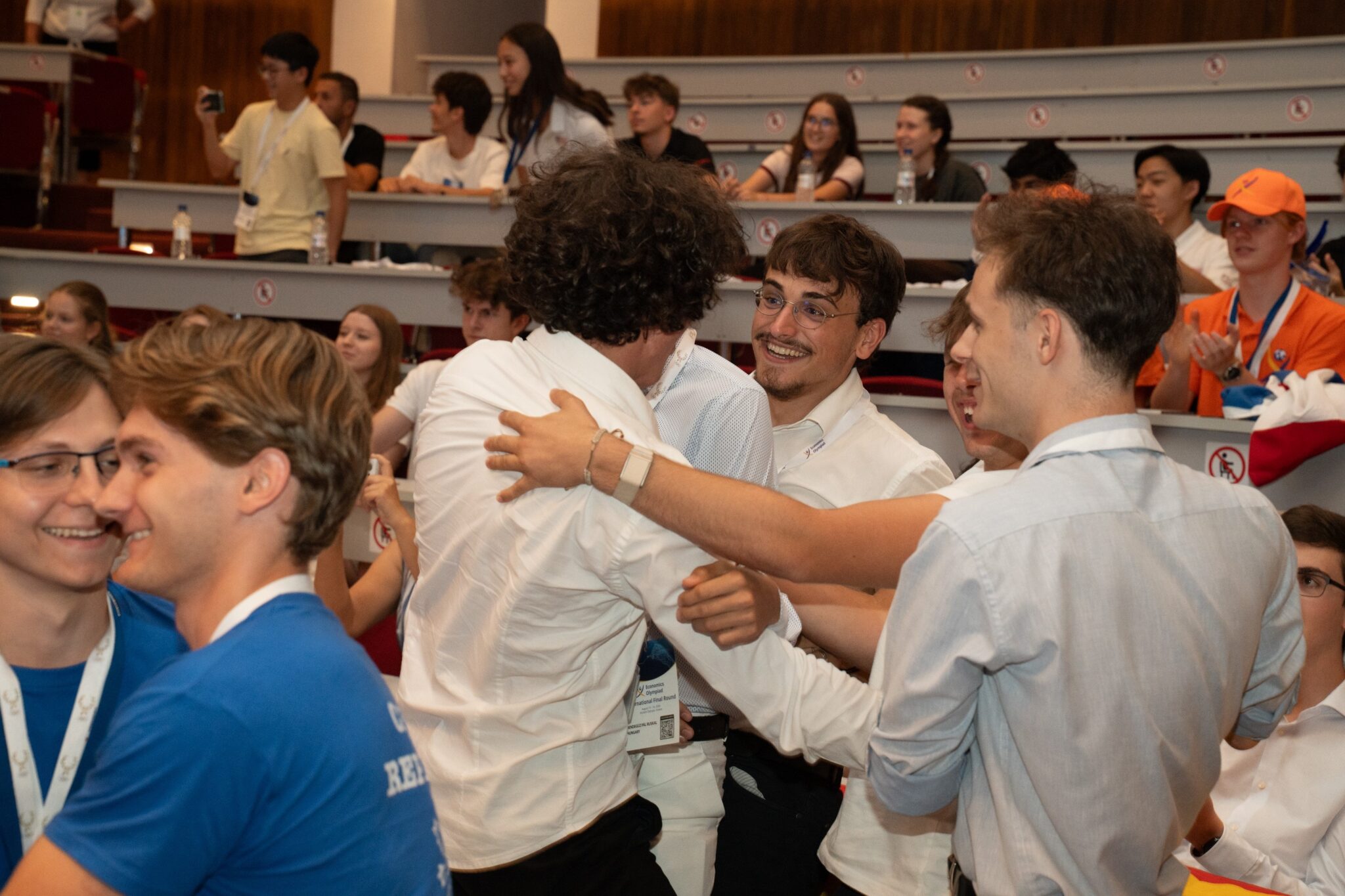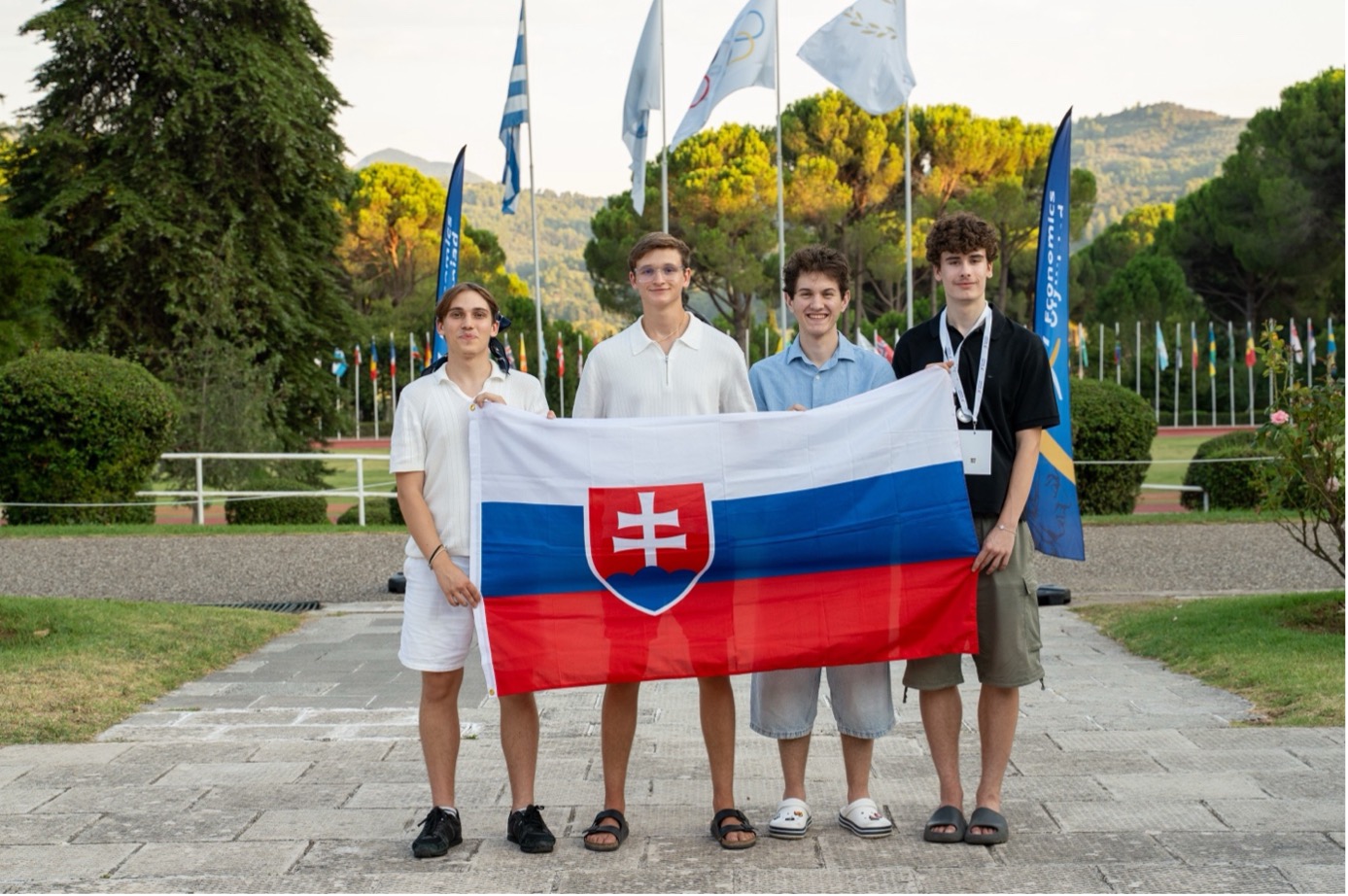
Photo: The Slovak delegation at The International Final Round 2026. From left: Jakub, Rafael, Martin, Adam.
Slovakia has achieved yet another international success at the Economics Olympiad finals. Adam Takáč, winner of the national round of the Economics Olympiad, won a bronze medal in a competition featuring the world’s best young economists and placed in the top 50. The Slovak representatives also excelled in the team Economics Policy Challenge, where they advanced to the top three teams in the finance track.
The International Final Round (IFR) of the Economics Olympiad took place August 10–14, 2026, at the International Olympic Academy in Olympia, Greece. A total of 160,555 students from 63 countries participated in this year’s Economics Olympiad. The IFR brought together the 147 most successful students from 28 countries around the world.
Slovakia was represented by Adam Takáč from Alejová High School in Košice, Rafael Valch from Metodova High School in Bratislava, Martin Klimek from Spojená škola Novohradská (Gymnázium Jura Hronca) in Bratislava, and Jakub Gerbery from Ladislav Sára High School in Bratislava.
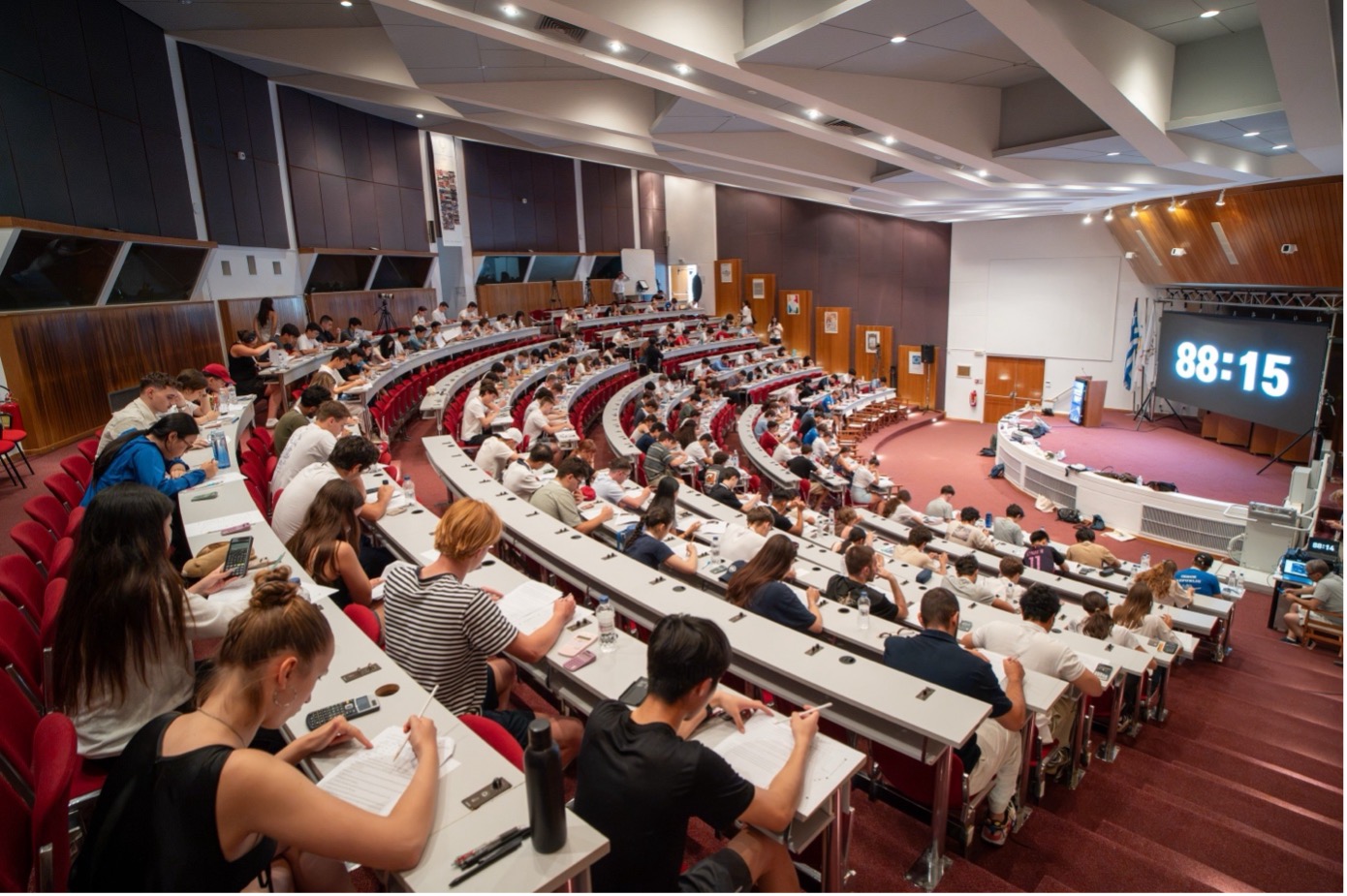
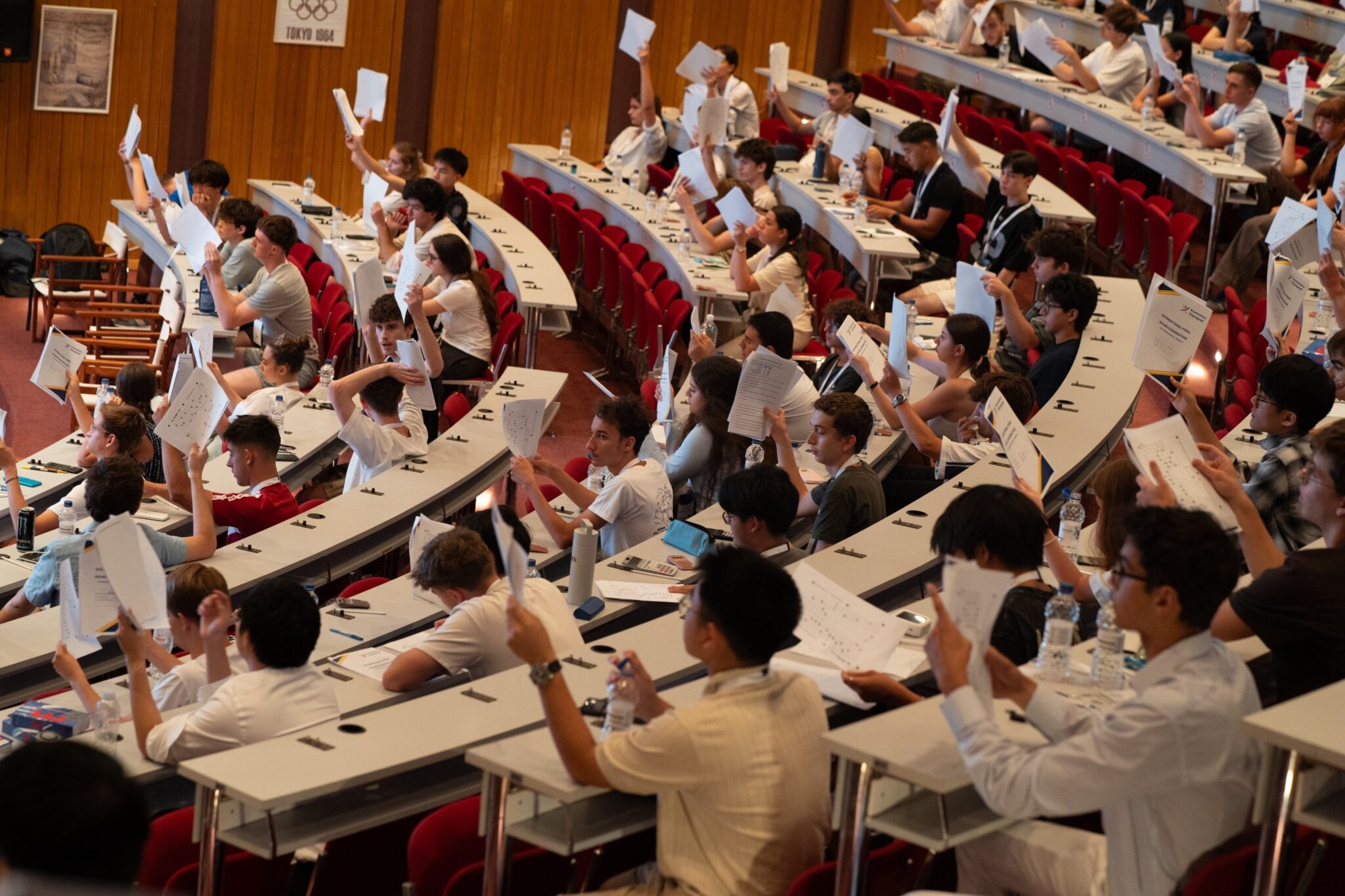
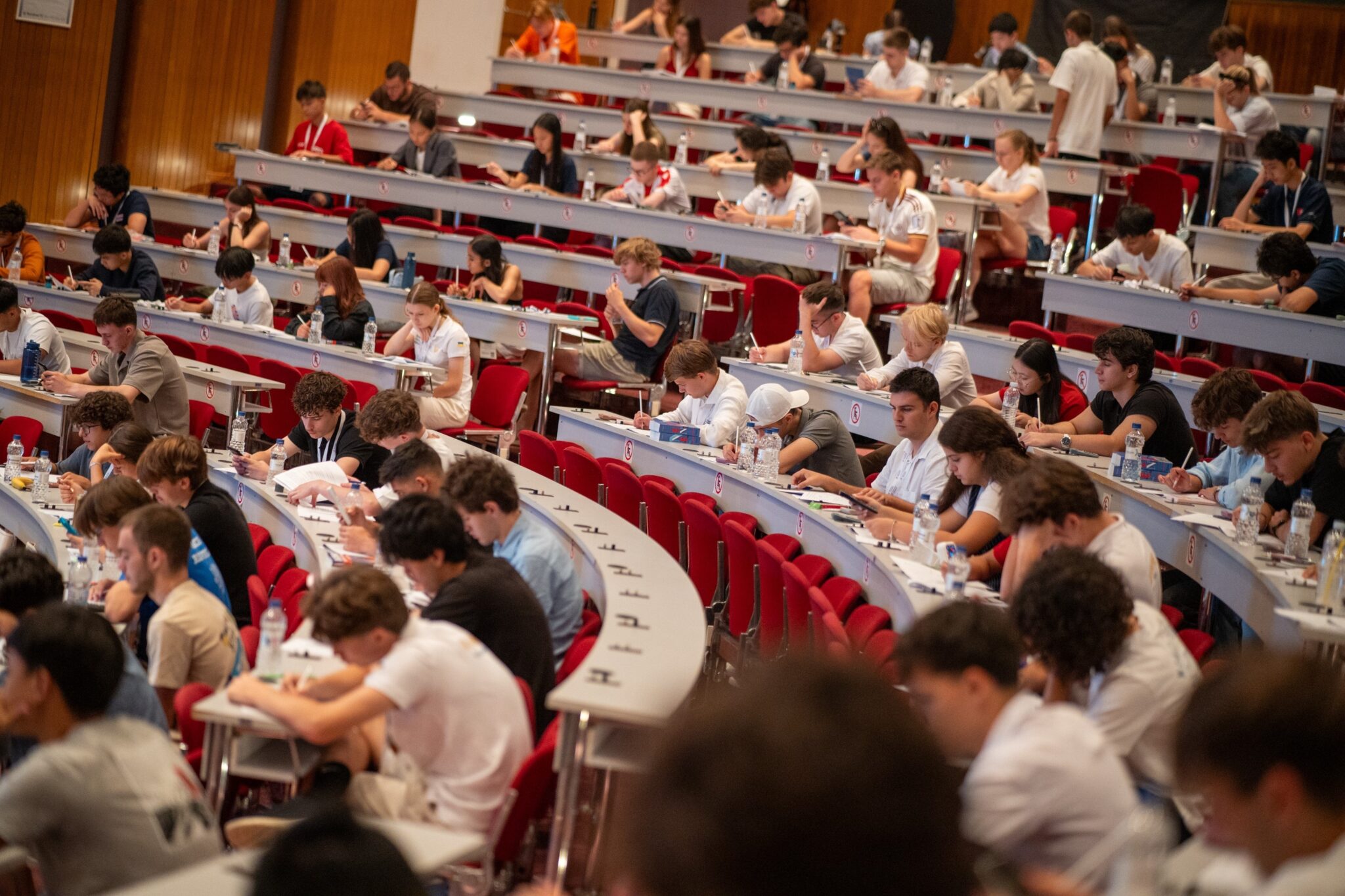
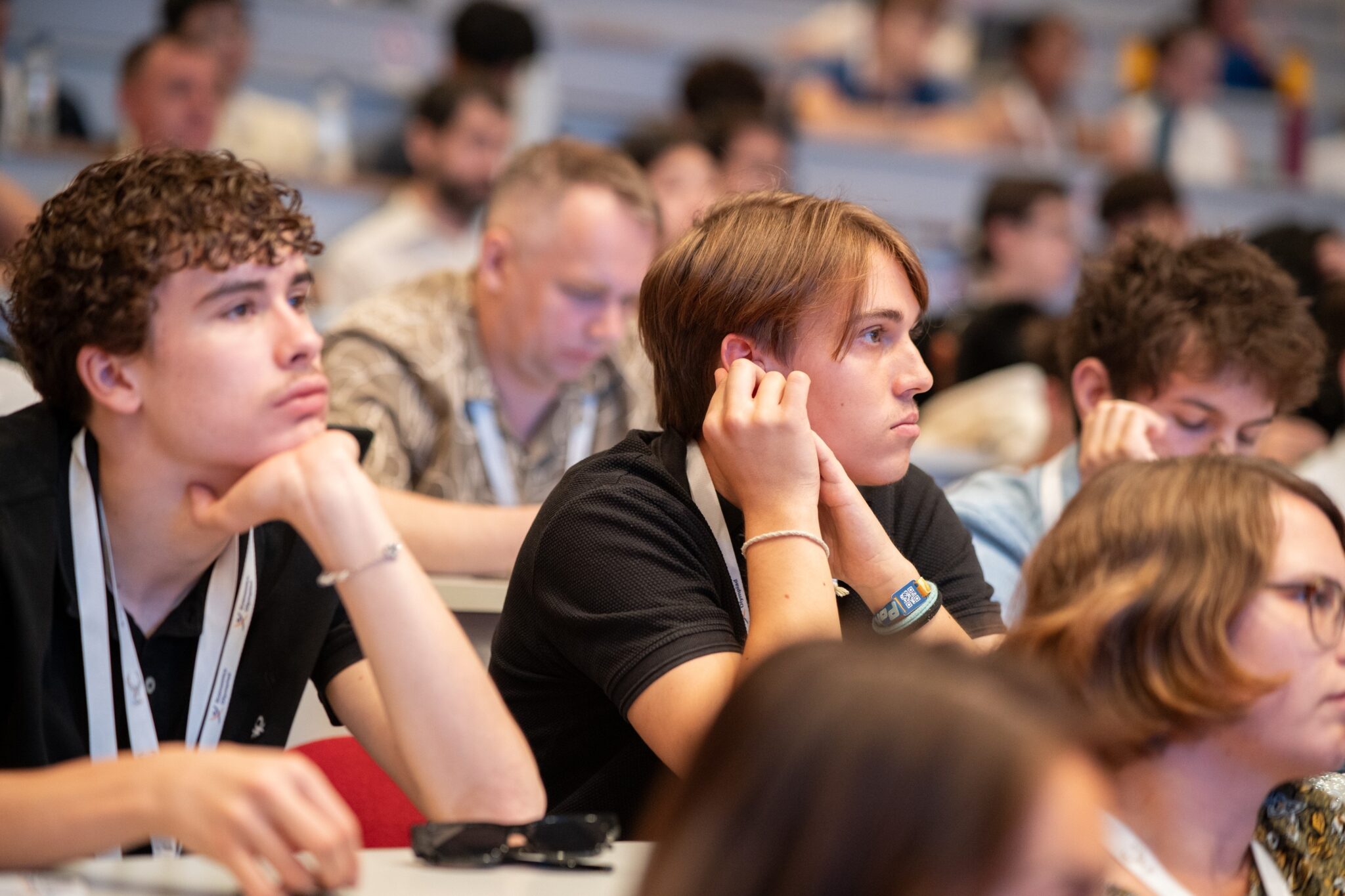
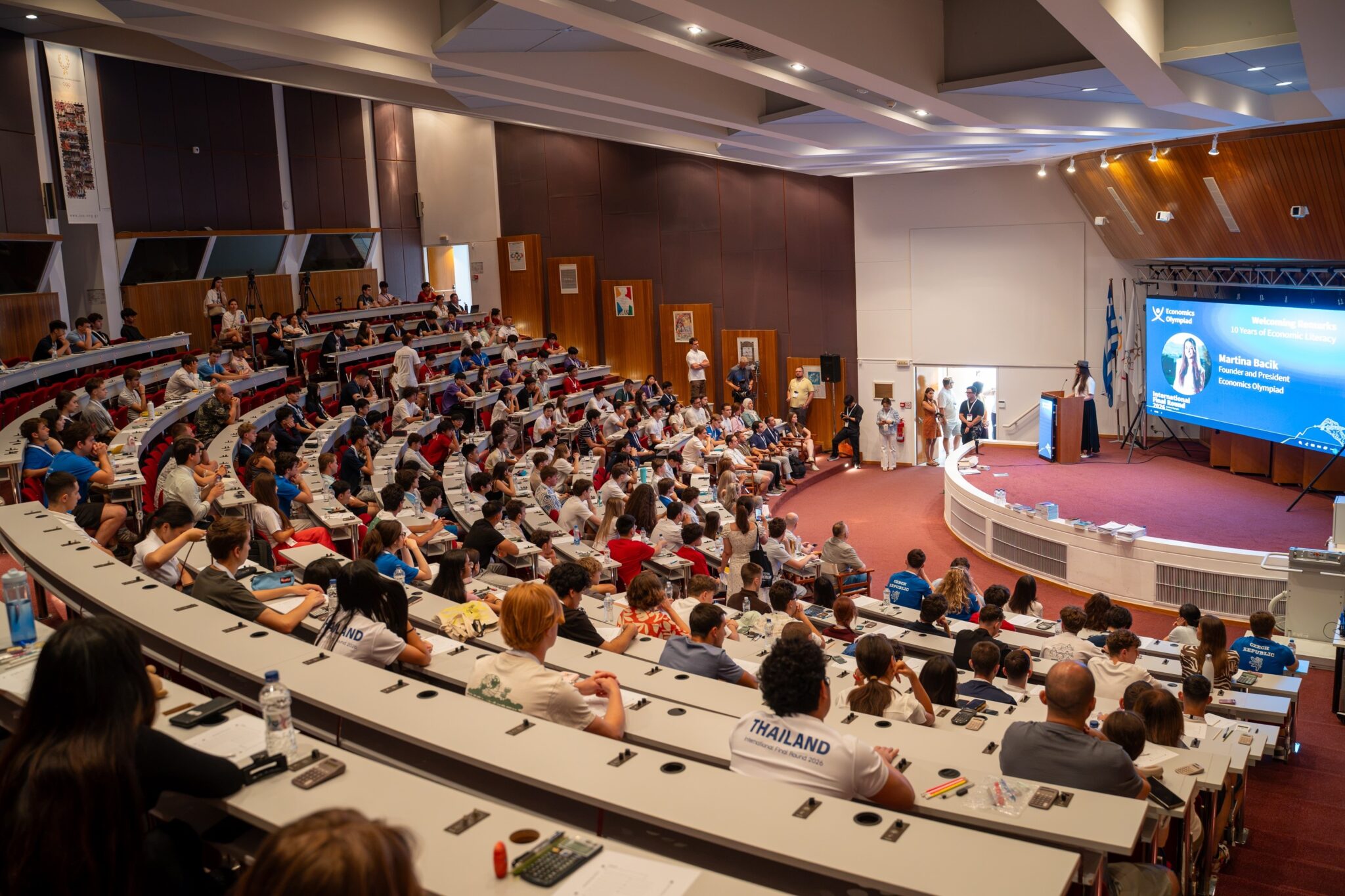
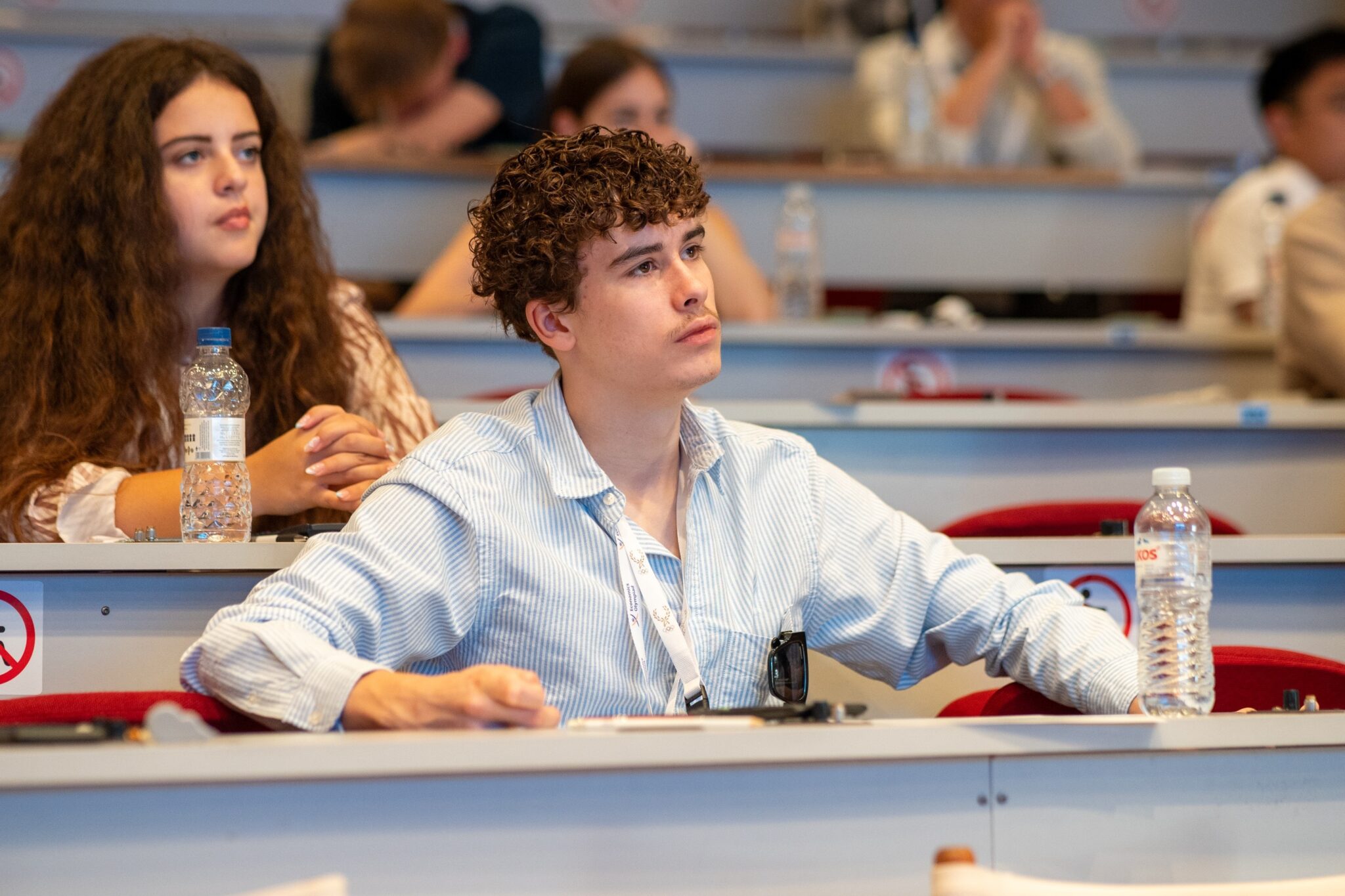
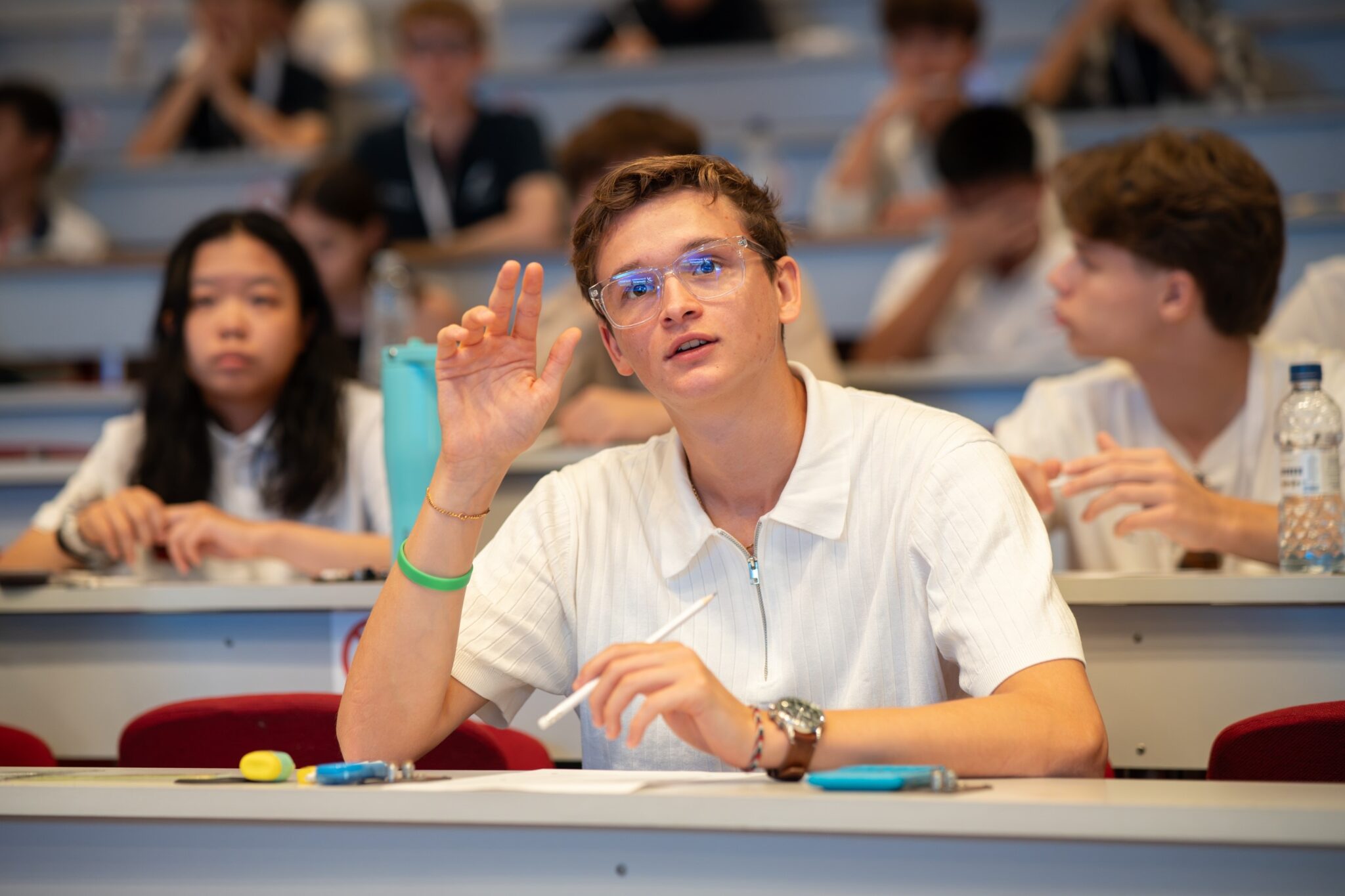
Photo: Participants taking the test.
Three tests assessed microeconomics, macroeconomics, and financial literacy
The IFR consisted not of a single test, but of a multi-day assessment of economic reasoning. The contestants took, in succession, a 90-minute test on microeconomics, a 90-minute test on macroeconomics, and a final exam on financial literacy. The top ten contestants then advanced to the oral finals.
The tests assessed not only the knowledge the students had acquired, but above all their ability to tackle economic problems and apply their knowledge to new situations. The Slovak team members themselves also acknowledged the competition’s difficulty.
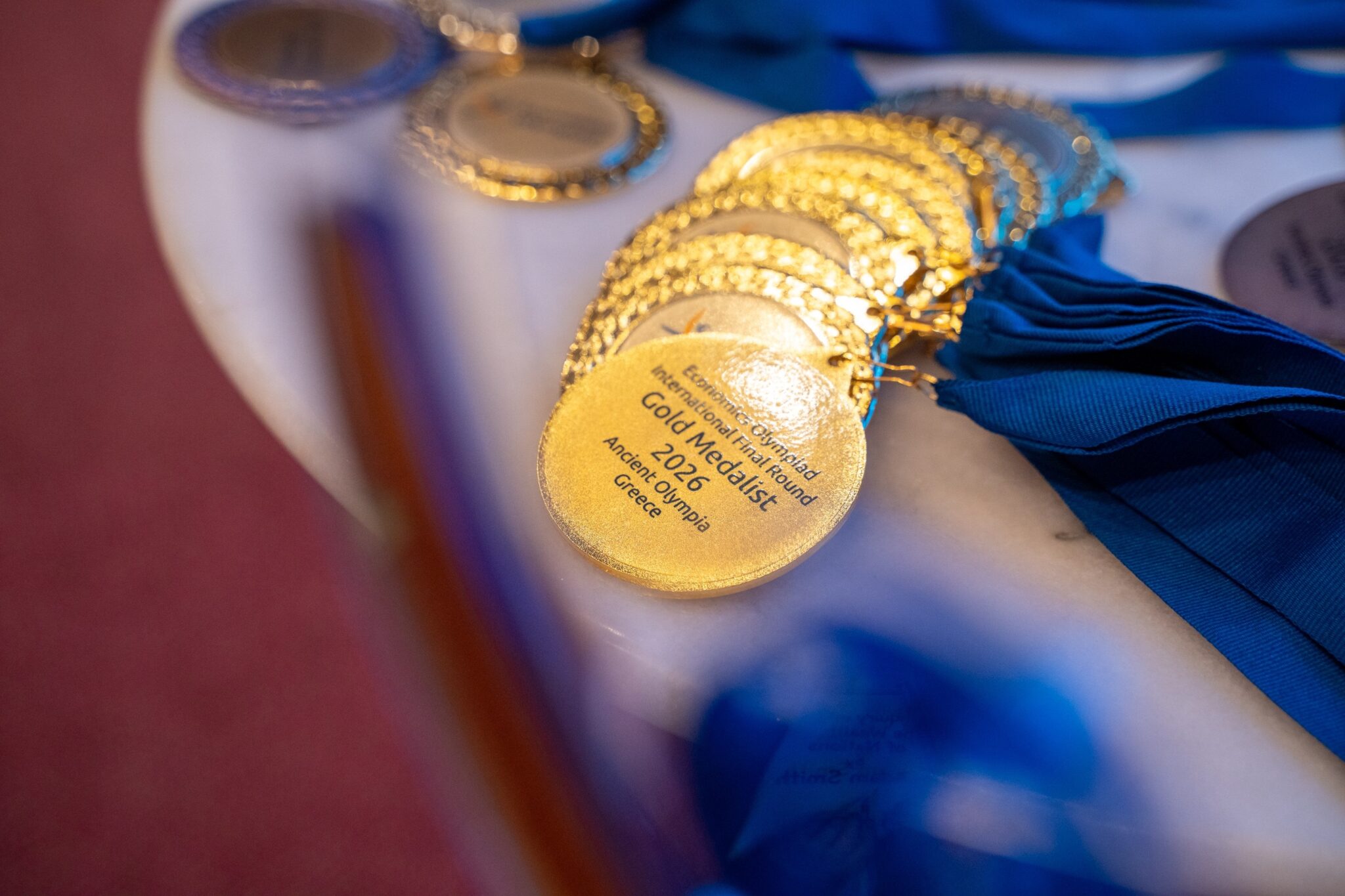
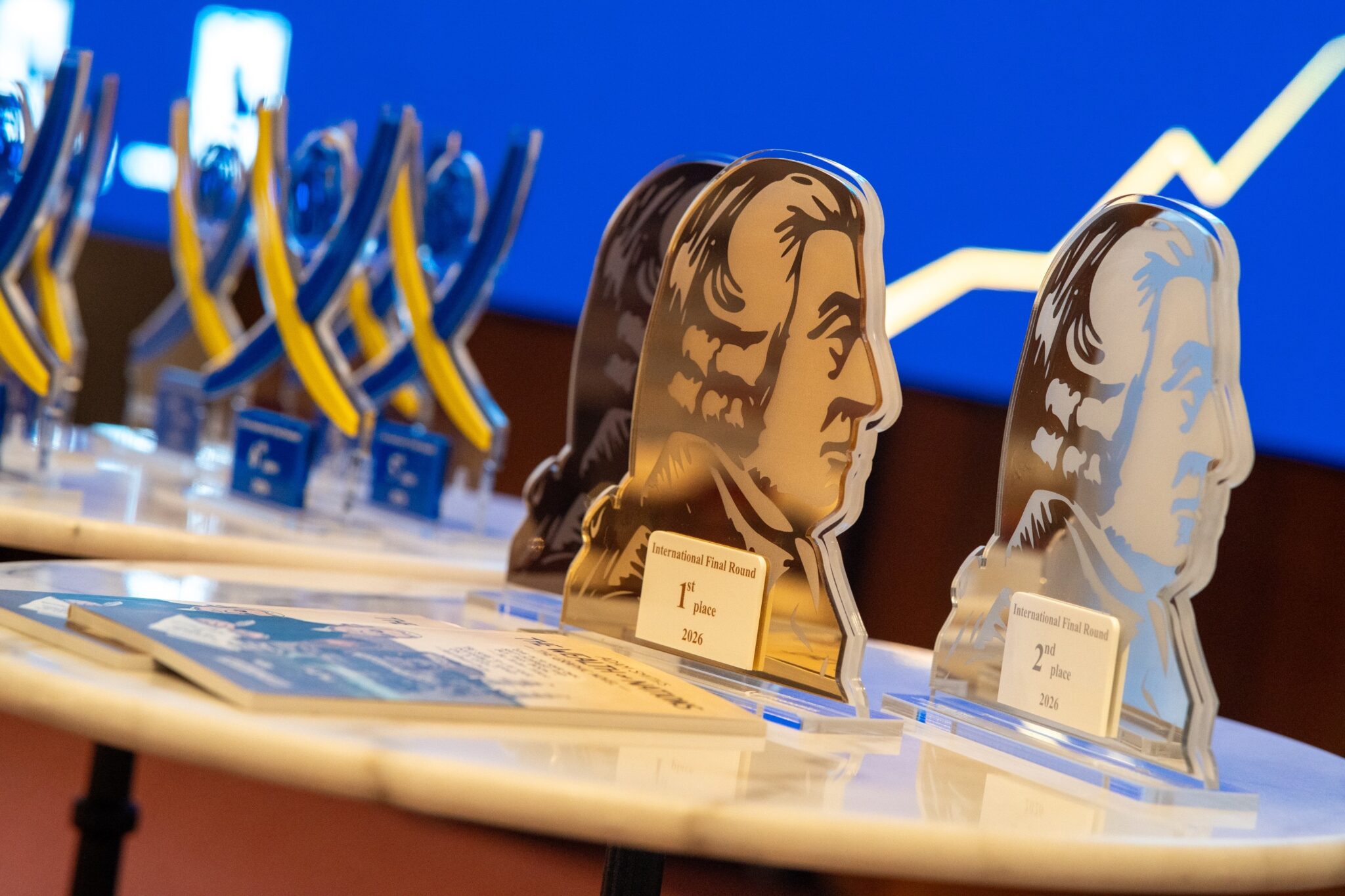
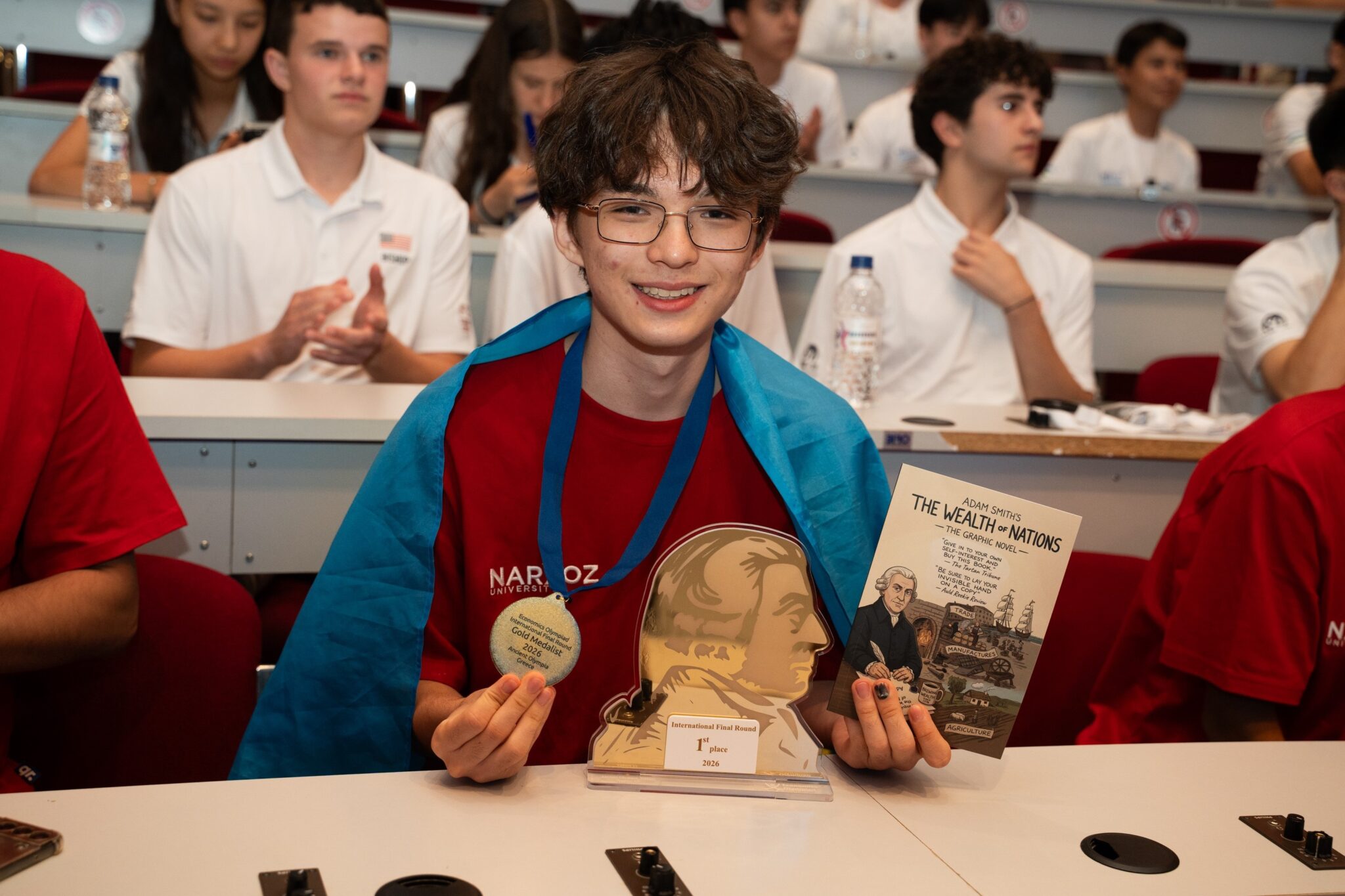
Adam Takáč achieved the most notable individual success for Slovakia, finishing in an outstanding 40th place and thus ranking among the finalists in the 31st–50th place bracket, who were awarded bronze medals. This means he ranked among the most successful participants in this year’s competition, which began with more than 160,000 students taking part.
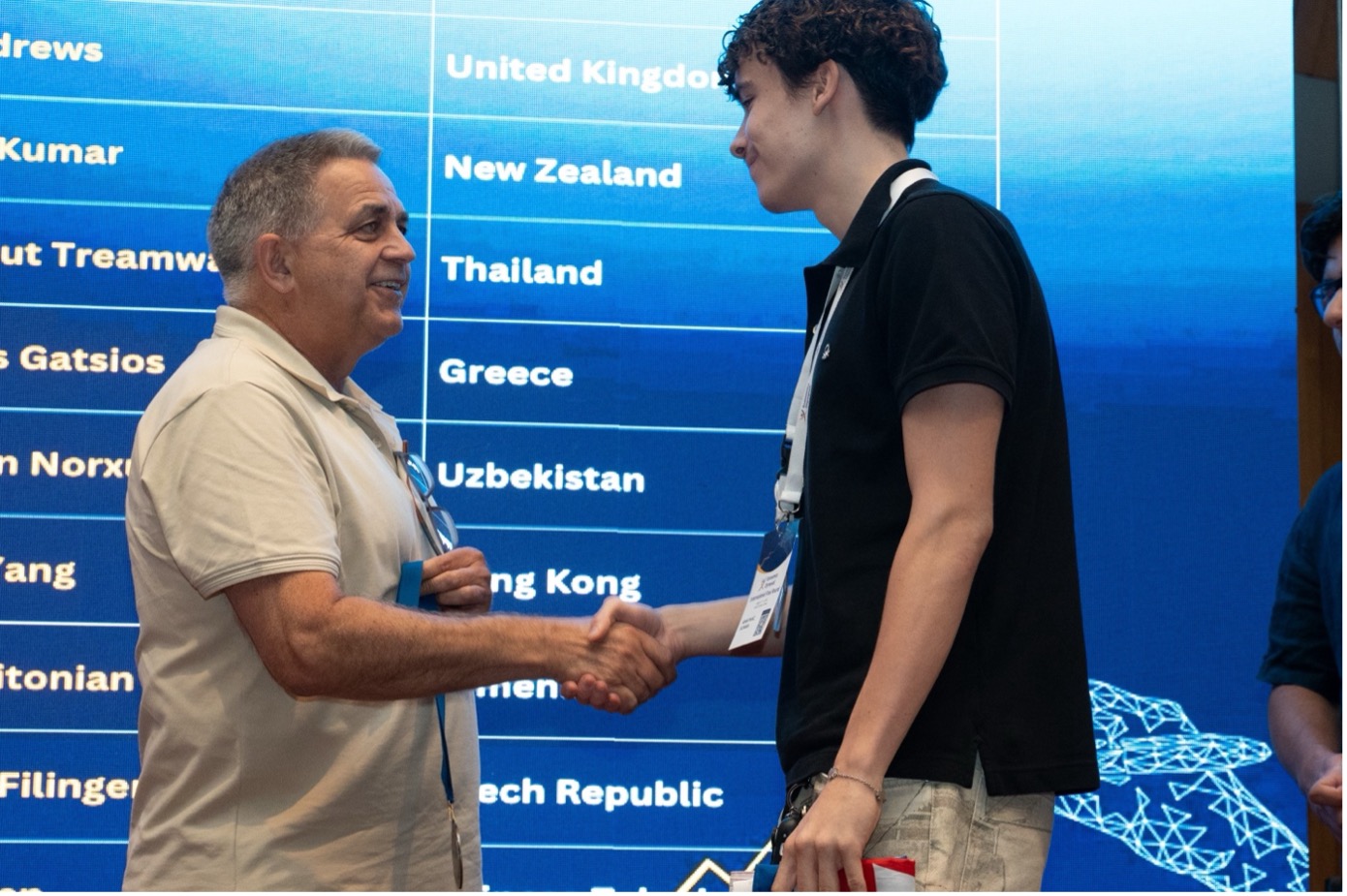
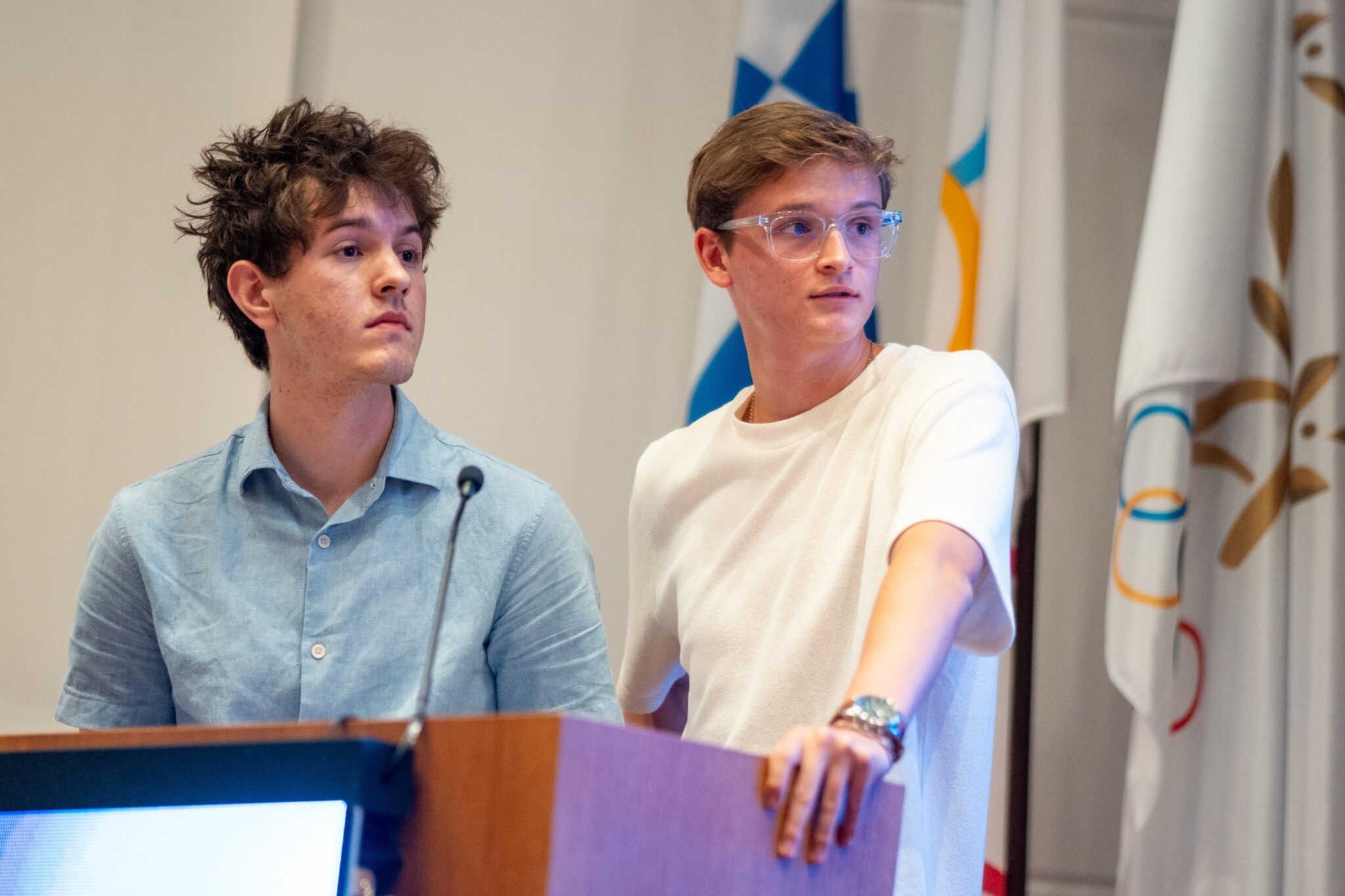
Photo: Adam Takáč during the announcement of the results.
Results for the Slovak team:
Adam Takáč – 40th place, bronze medal
Martin Klimek – 73rd place
Jakub Gerbery – 117th place
Rafael Valch – 130th place
“It’s an honor to be ranked among the top 50 high school economists in the world. The whole event also motivated me because I realized that even though I worked hard to achieve the best possible result, there are still people who worked harder and longer. It gave me the motivation to keep working on myself and improving,” says Adam Takáč, reflecting on his experience.
Batyrkhan Mukhtarkhan of Kazakhstan emerged as the overall winner of the IFR, claiming the title for the second time.
The Slovak team also excelled. In the financial challenge, they ranked among the top three.
However, the individual tests were only one part of the finals. One of the highlights of the program was the Economics Policy Challenge — a team-based case study in which the contestants became economic advisors for a few hours.
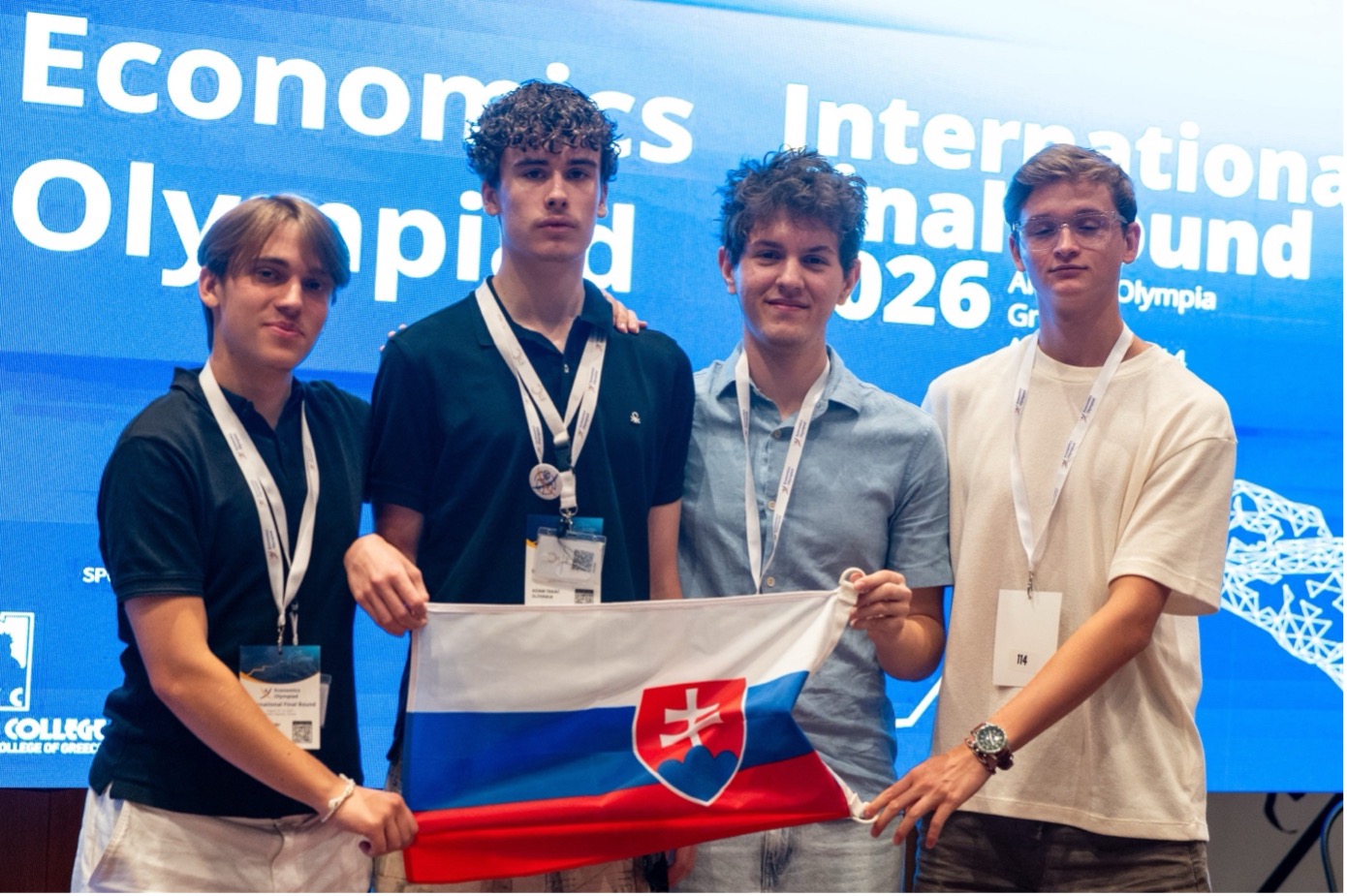
Photo: The Slovak delegation after the announcement of the TOP 3 in the Policy Challenge.
The teams were presented with a problem involving a fictional country, and their task was to analyze the situation, propose specific economic measures, and then defend their recommendations. The competition was divided into three areas — microeconomics, macroeconomics, and finance. The top teams in each category advanced to a panel, where they presented their solutions and answered follow-up questions.
It was here that Slovakia achieved another significant success. Team Slovakia ranked among the top three teams in the finance track, thereby advancing to the final pitch of its recommendations before the evaluation committee.
“In the Economics Policy Challenge team competition, we saw that even when competing against teams from Canada, England, the United States, and China, we can deliver a strong performance,” says Martin Klimek. “The international finals were a great opportunity to meet like-minded people from every corner of the world. I recommend the Economics Olympiad to any high school student who has even a passing interest in the social sciences.”
The Netherlands team won the microeconomics track, Hungary won the macroeconomics track, and the Americas Challenge 2 team dominated the finance category.
The winning teams also earned the opportunity to participate in the EO Microeconomics Accelerator in the spring of 2027 — a three-week online program led by Prof. Tawni Hunt Ferrarini of Florida State University, for which participants will earn three U.S. college credits.
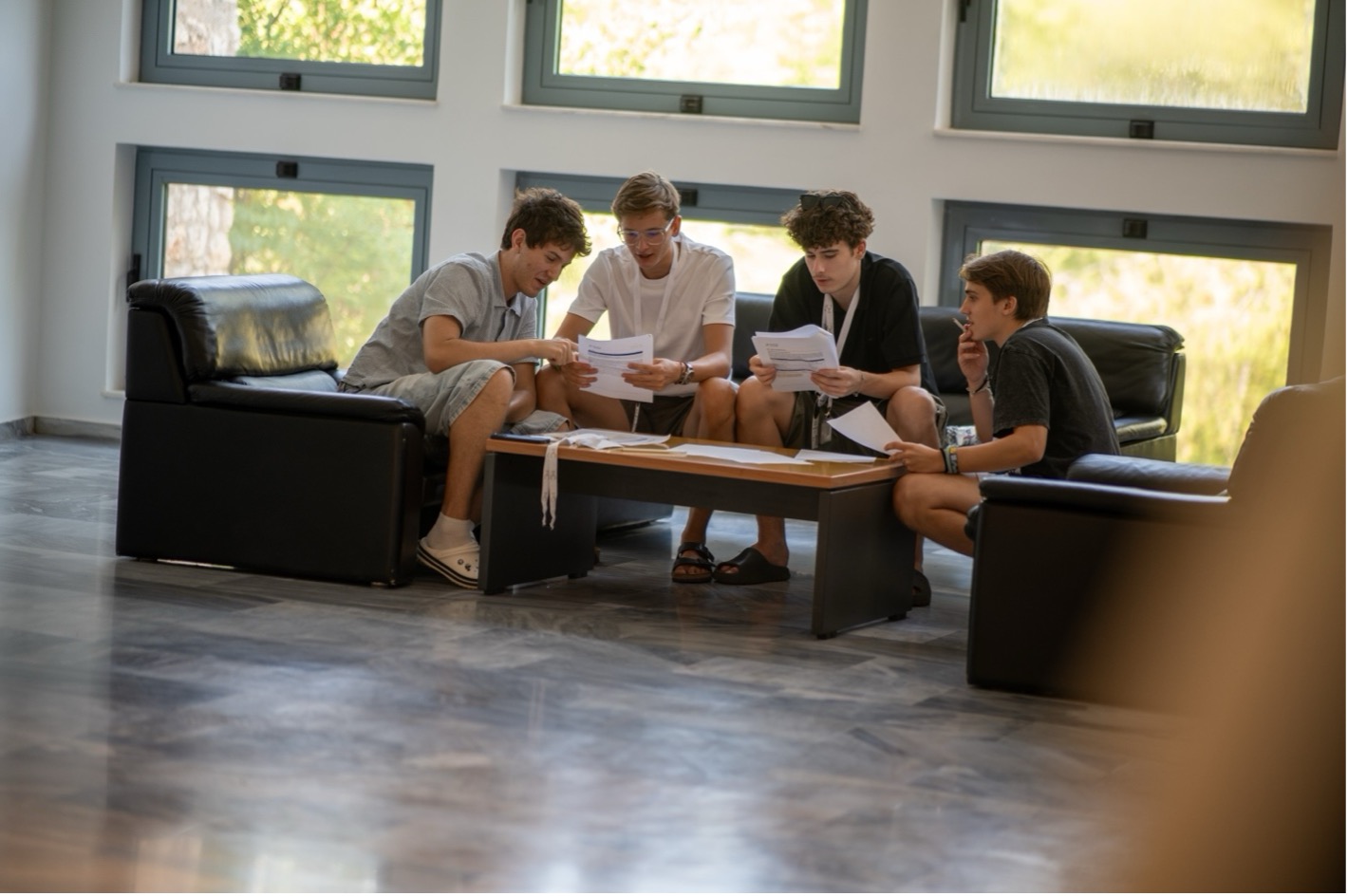
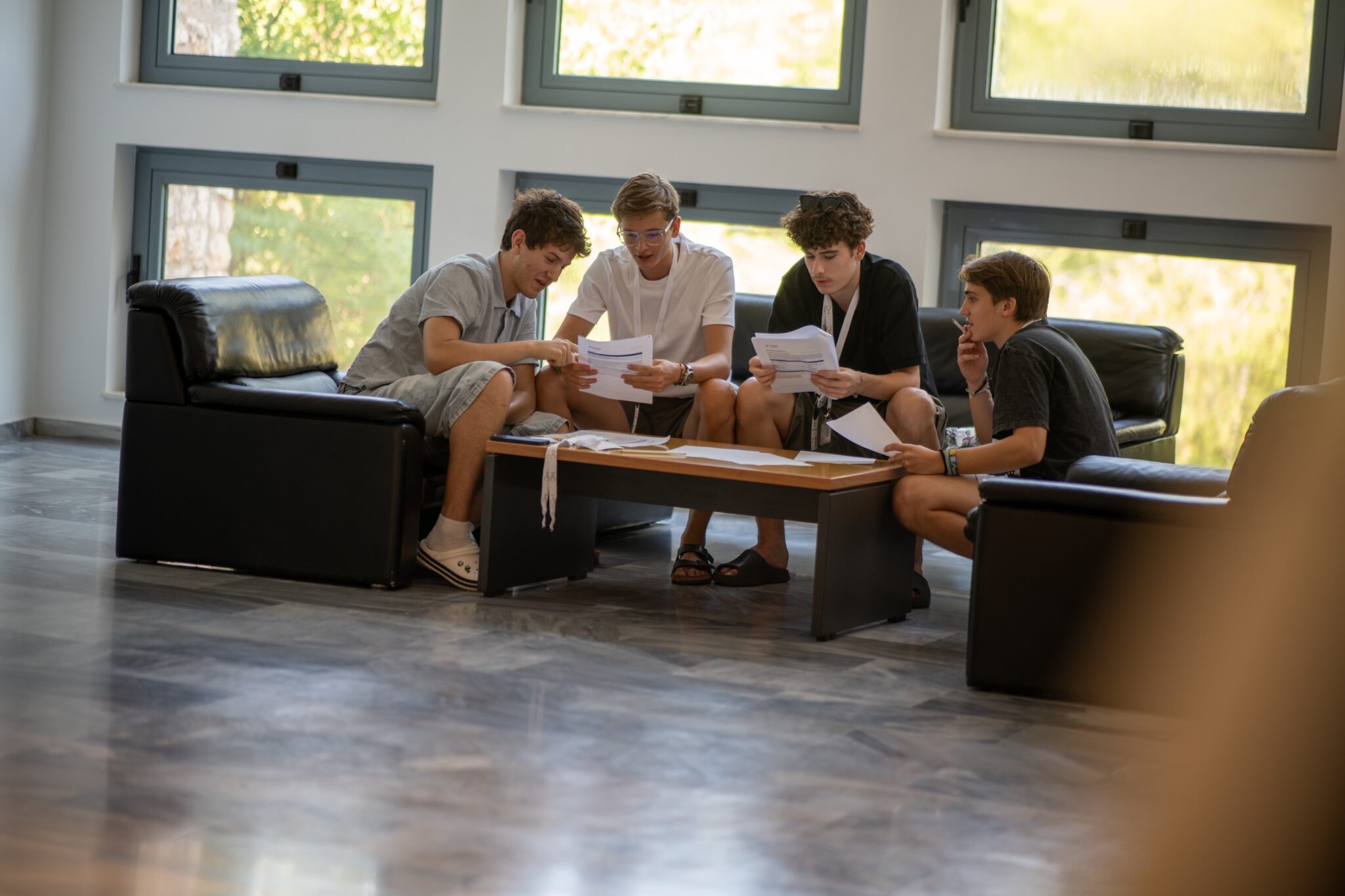
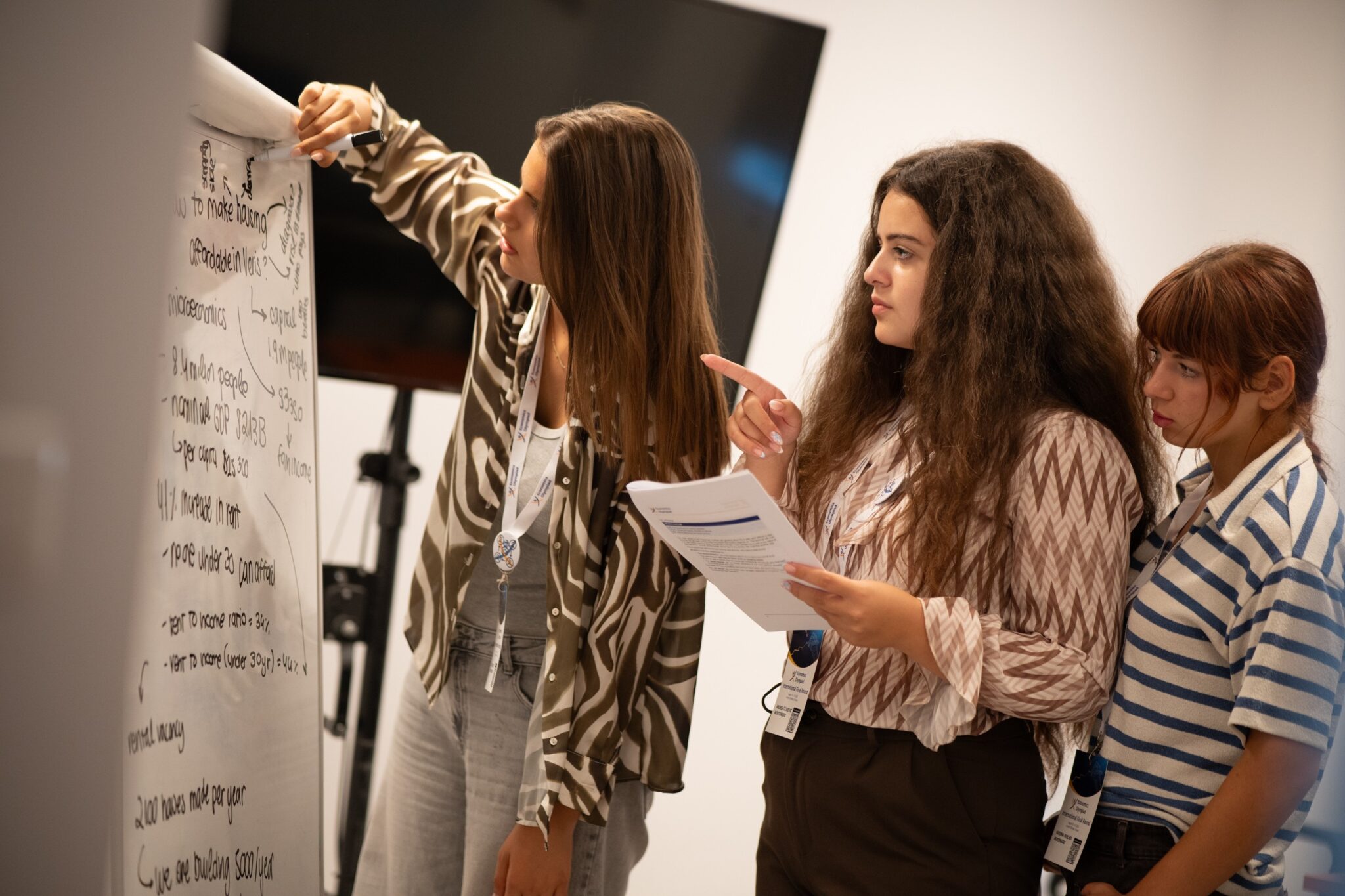
Photo: Team Slovakia during preparations for the Economics Policy Challenge
Economics Beyond the Test
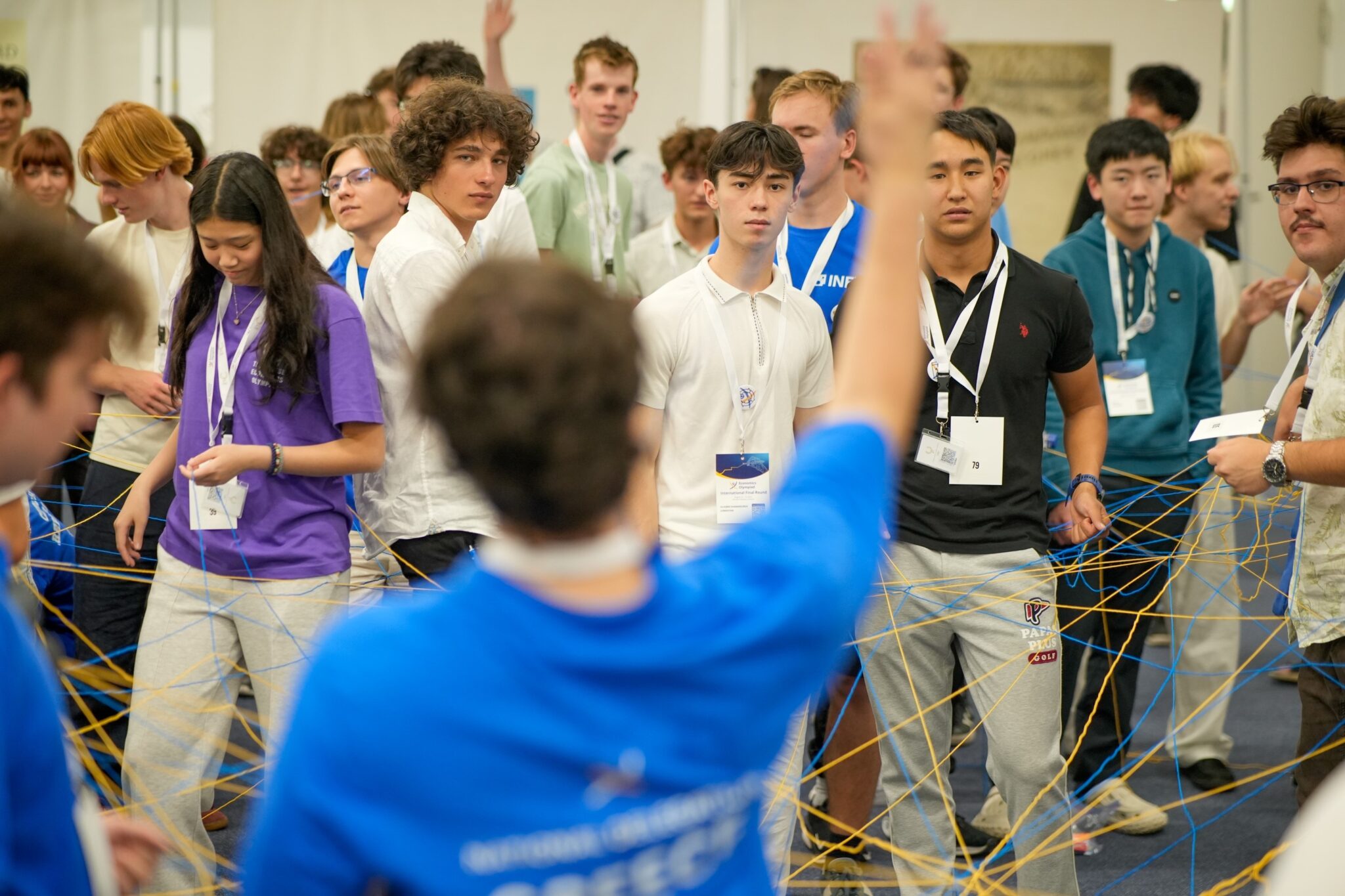
However, the international finals were not just a test of knowledge. The five days at Olympia provided an opportunity for discussions, lectures, teamwork, and getting to know peers from dozens of countries.
One of the keynote speakers was Eamonn Butler, director and co-founder of the British Adam Smith Institute. Dr. Theodoros Skylakakis, former Greek Minister of the Environment and Energy and former Deputy Minister of Finance, also spoke at the closing ceremony.
The students were also welcomed by Dr. Charilaos Tsolakis, president of the International Olympic Academy, and Pericles Niarchos, Chief Innovation & Programs Officer at the Foundation for Economic Education. The program also featured presentations by Martina Bacík, founder of the Economics Olympiad and president of INEV, and Alexander Skouras, executive director of the International Economics Olympiad. Before the honorable mentions were announced, Dr. Anna Stefani-Sietou, Head of Business Management at New York College Athens, also spoke.
From Ancient Olympia to “White Night”
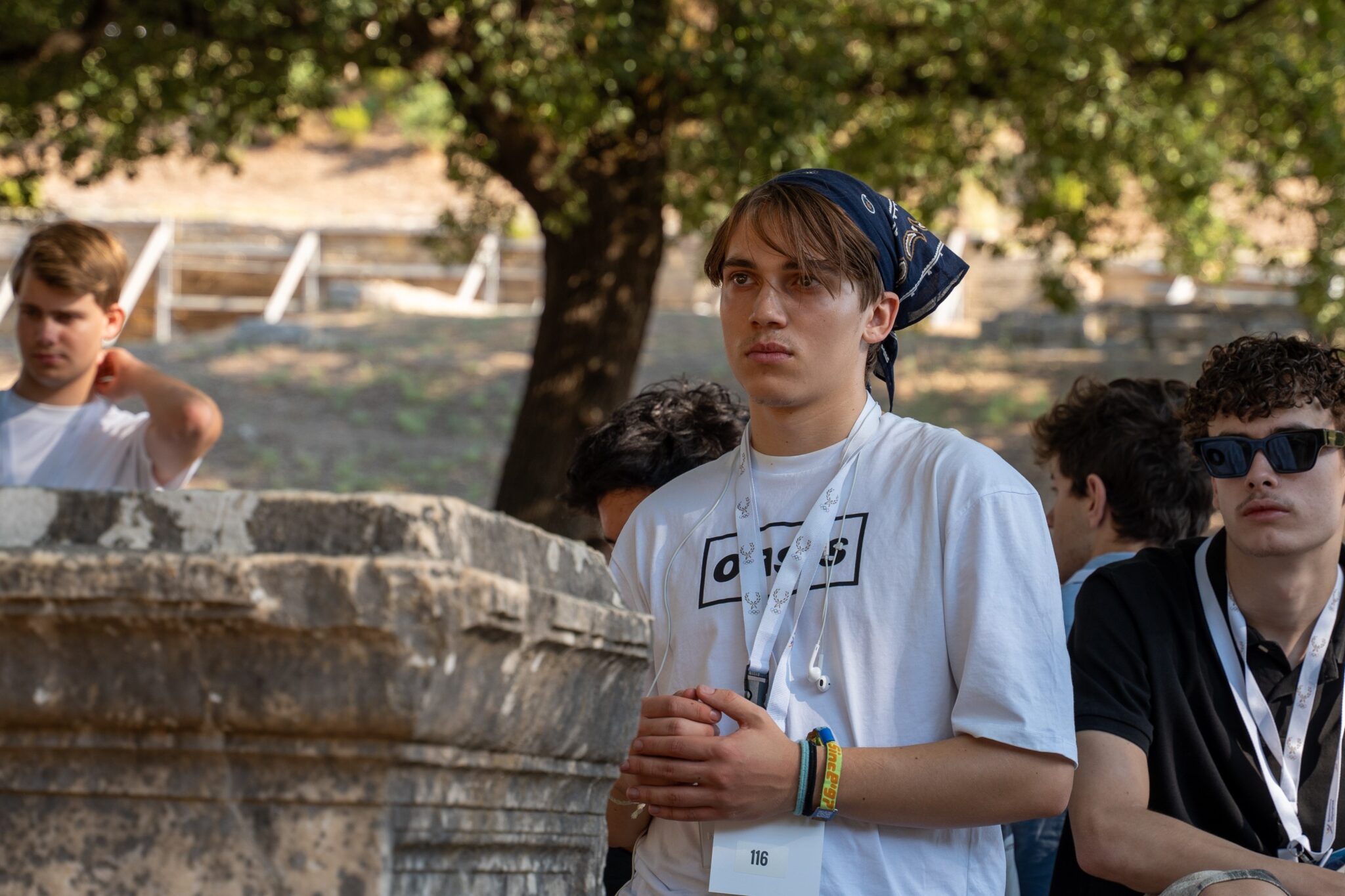
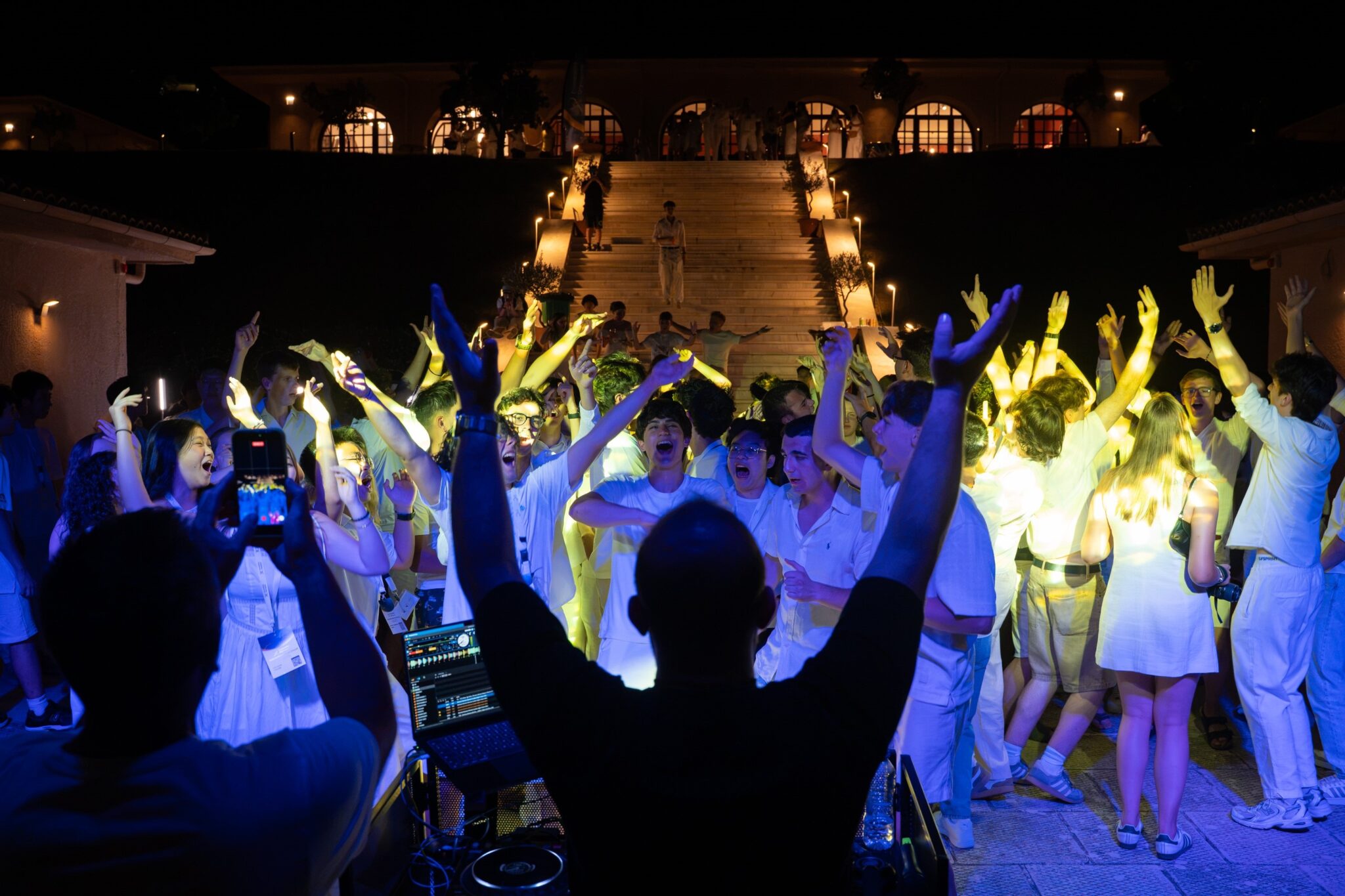
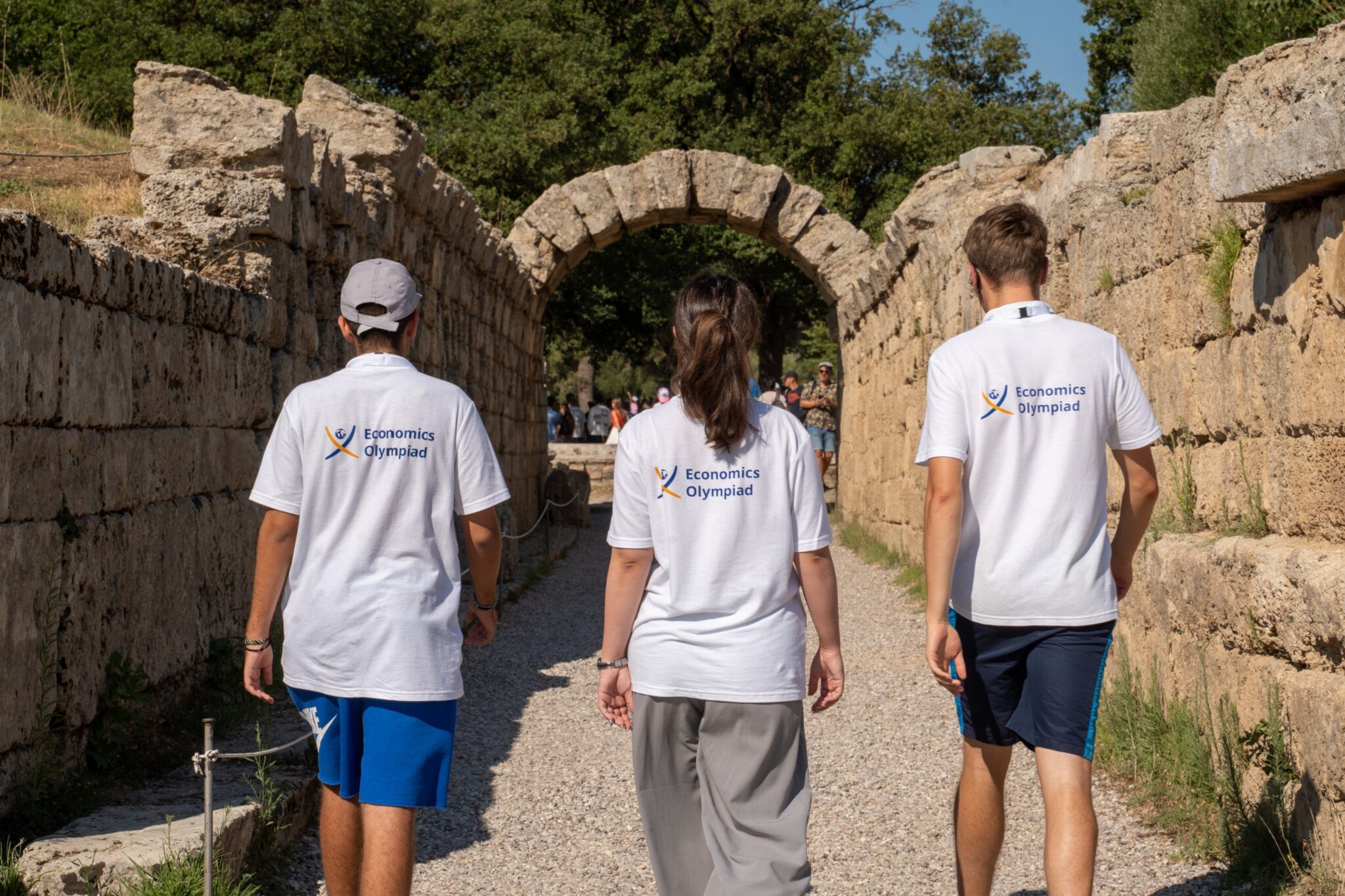
Olympia provided the IFR with a setting that would be hard to mistake for an ordinary school competition. The students took a guided tour of the archaeological site of ancient Olympia, had time for sports, relaxation, and informal conversations, and the program culminated in the traditional “Glendi” White Night Party, during which the International Olympic Academy campus filled with the sounds of modern hits and students dressed in white.
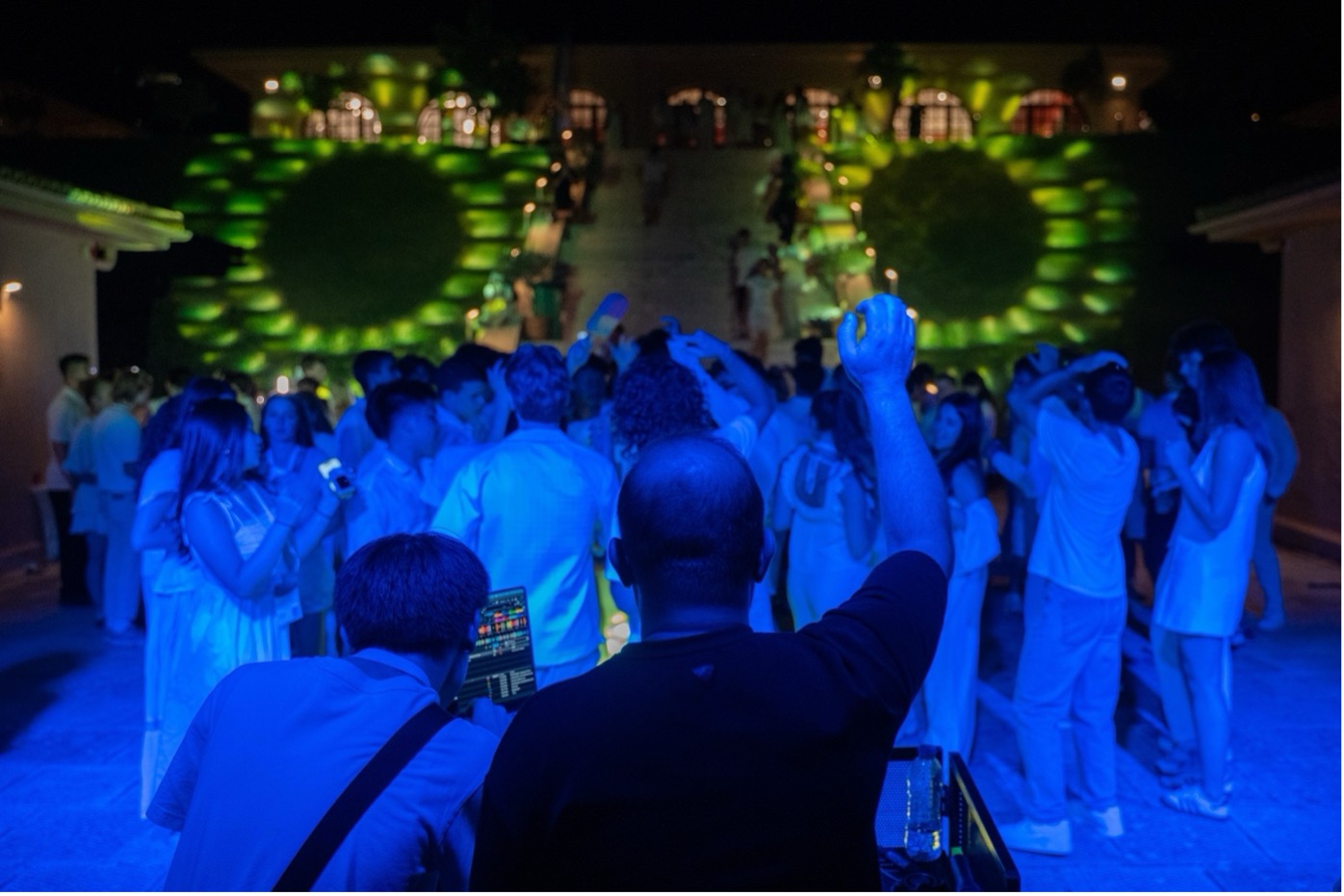
According to the Slovak finalists, the opportunity to meet people from different countries was one of the event’s greatest strengths.
“I enjoyed every aspect of the international finals. The destination and the facilities were beautiful, and I met a lot of interesting people. The testing was challenging, but I learned a lot of new things, and at the same time, this experience showed me just how much more I still have to learn. The finals exceeded my expectations,” says Rafael Valch.
Jakub Gerbery also took away a similar experience; he was most impressed by the team challenge:
“I met a lot of new people from different corners of the world, learned many new things, and at the same time realized just how much I still don’t know. I liked the Policy Challenge the most, where we had to constructively solve a problem for a fictional country and then present our solution. The whole experience motivated me to become more involved in similar activities.”
For Adam Takáč, the international experience took on an additional dimension. He had already begun making contacts even before the Slovak delegation arrived in Olympia.
“Even on the bus ride from Athens to Olympia, I met people with whom we talked not only about economics, but also about our studies and our experiences. Throughout the finals, I made many friends, and these friendships will continue even after the Olympiad is over. We were connected not only by economics, but often also by similar life situations and worldviews,” adds Adam from Košice.
That is precisely where the value of the IFR lies — a value that cannot be captured by the results alone. The 147 young people from 28 countries did not gather at Olympia simply to find out who could best solve an economic problem. They also came together to exchange ideas with people who had grown up and studied in completely different environments.
For the Slovak national team, the journey to Olympia thus ends not only with a bronze medal and a place among the top teams in the Policy Challenge, but also with new experiences, connections, and—as their own words show—new motivation to keep going.
We would like to thank the Slovak national team for representing our country so well, and we warmly congratulate them on their achievements!
The Slovak delegation was able to travel to Olympia, Greece, thanks to financial support from the CEF (Central European Foundation).
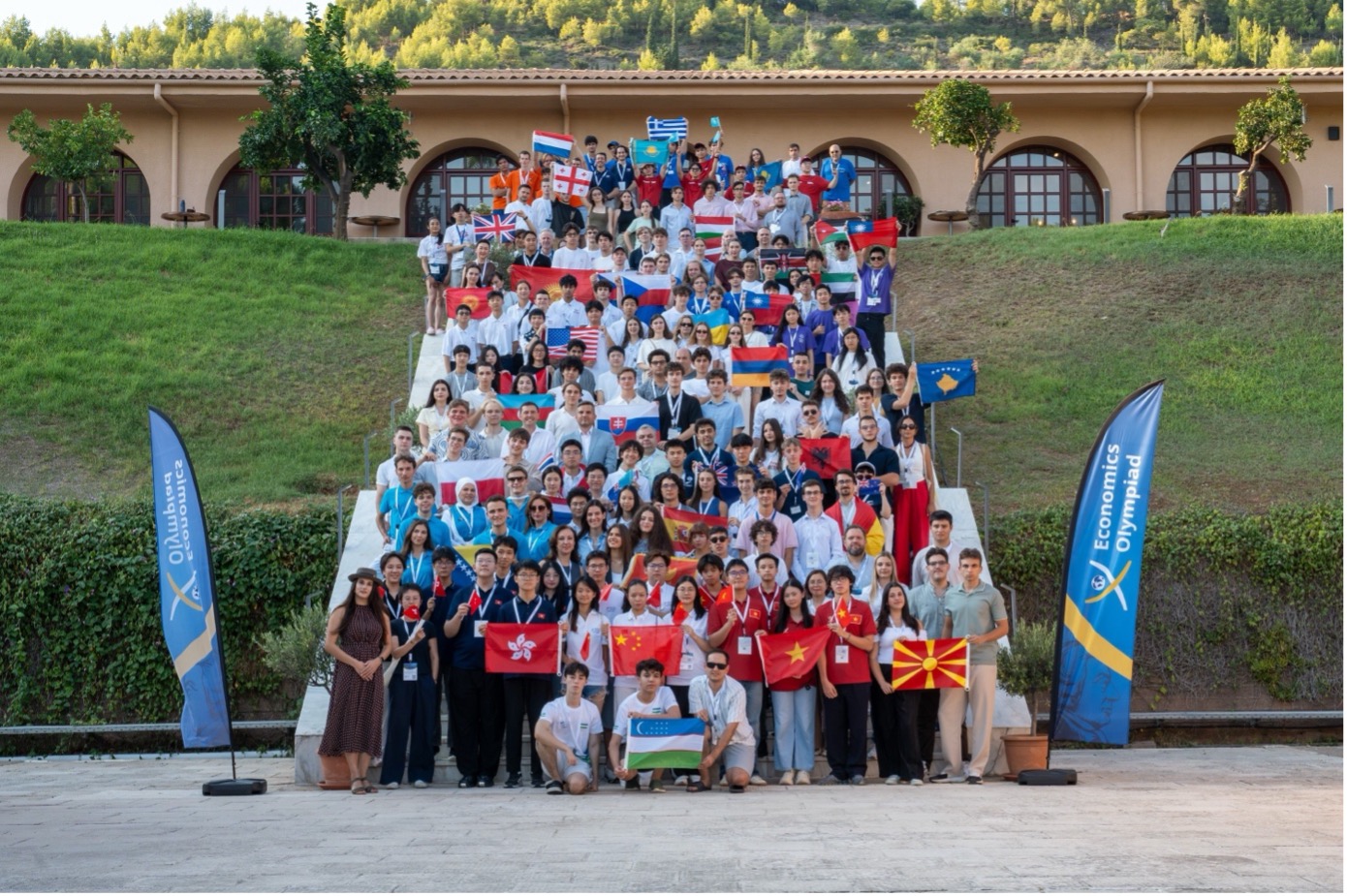
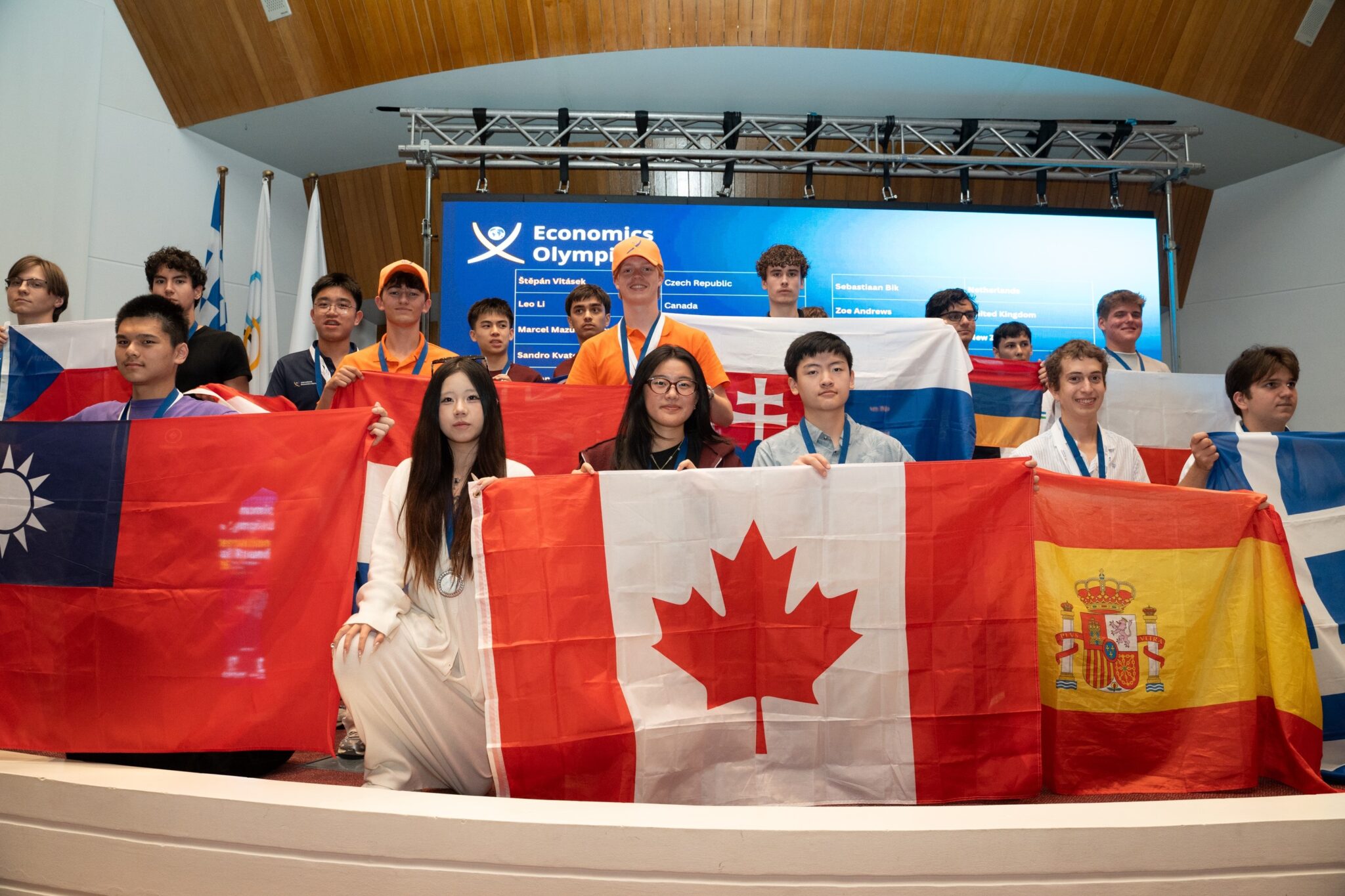
Photo: A group photo of all contestants, organizers, and partners.
Economics Olympiad in Slovakia
The Economics Olympiad is a nationwide competition in economics and finance for high school and elementary school students. Its goal is to develop young people’s economic and financial thinking while identifying talented students who can apply their knowledge to real-world problems.
In Slovakia, the competition is organized by INESS — the Institute for Economic and Social Studies—in cooperation with the Czech Institute for Economic Education (INEV).
In Slovakia, the Economics Olympiad enjoys growing interest every year. More than 13,000 high school students from across the country participated in last year’s competition. The 10th anniversary edition of the Economics Olympiad for high schools, as well as the fifth edition of the competition for elementary schools, will kick off on August 24. For more information and to register, visit www.ekonomickaolympiada.sk.
INESS would like to thank all teachers, schools, and partners of the Economics Olympiad. The list of partners whose support contributed to the organization of the 2025/2026 Economics Olympiad:
Slovak Banking Association, Slovak Insurance Association, Slovenská sporiteľňa Foundation, Slovak Alliance for Modern Trade, PwC Slovakia Endowment Fund, Tatra Banka Foundation, EPH Foundation, Finax, KOMUNÁLNA poisťovňa, Bratislava Self-Governing Region, ABCedu, Martinus, TREND Weekly, INEV, Slovak Economic Association, Faculty of Management at Comenius University, University of Economics in Bratislava, Faculty of Economics at Matej Bel University in Banská Bystrica, Faculty of Social Sciences at UCM in Trnava, Faculty of Operations and Economics of Transport and Communications, University of Žilina; Faculty of Economics and Management, Slovak University of Agriculture in Nitra; the Faculty of Economics at the Technical University of Košice, the Faculty of Socio-Economic Relations at Alexander Dubček University of Trenčín, and the Faculty of Management at the University of Prešov.
More photos from the event: